"Marine Pollution & Conservation"
"The oceans are downstream of everything. And they don't have an endless capacity to absorb waste. In fact, every year people dispose of 161 million gallons of used motor oil improperly—an amount greater than the Exxon Valdez oil spill. Much of this oil ends up in waterways and the oceans, where it takes a tremendous toll on aquatic life. By being careful about oil and other substances, you can help keep ocean waters clean. - Ocean Conservancy "
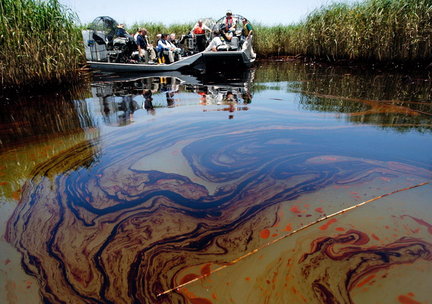
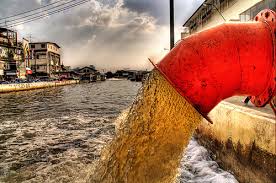
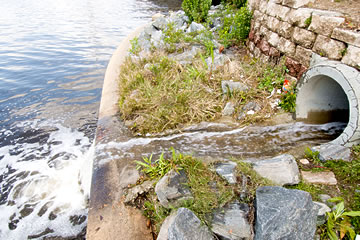
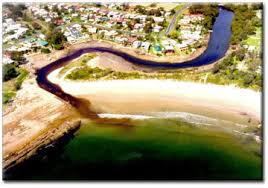
Over 80% of marine pollution comes from land-based activities.
~ Domestic sewage, industrial discharges, leakages from waste tips, urban and industrial run-off, accidents, spillage and explosions; sea dumping operations; oil production; mining; agriculture nutrients and pesticides; waste heat sources; and radioactive discharges are all sources of marine pollution.
Dumping and run-off
Most of the waste that we produced daily on land will reach the oceans by dumping or from run-off activities through drains and rivers. The most critical garbage that we produced is from plastic because plastic always was assumed as food to marine animals which caused them choked by eating the plastics.
Oil
Oil spill cause huge damage to the marine environment. In fact, only around 12% of the oil entering the seas each year. According to a study by the US National Research Council, 36% comes down drains and rivers as waste and runoff from cities and industry.
Fertilizers
Fertilizer runoff from farms and lawns is a huge problem for coastal areas. This is because the extra nutrients from the fertilizer will cause the eutrophication to happen where the flourishing of algal blooms that deplete the water's dissolved oxygen and suffocate other marine life. Eutrophication has created enormous dead zones in several parts of the world, including the Gulf of Mexico and the Baltic Sea.
Seas of garbage
Solid garbage also makes its way to the ocean. Plastic bags, balloons, glass bottles, shoes, packaging material – if not disposed of correctly, almost everything we throw away can reach the sea.
Plastic garbage, which decomposes very slowly, is often mistaken for food by marine animals. High concentrations of plastic material, particularly plastic bags, have been found blocking the breathing passages and stomachs of many marine species, including whales, dolphins, seals, puffins, and turtles. Plastic six-pack rings for drink bottles can also choke marine animals.
This garbage can also come back to shore, where it pollutes beaches and other coastal habitats.
Sewage disposal
In many parts of the world, sewage flows untreated, or under-treated, into the ocean. For example, 80% of urban sewage discharged into the Mediterranean sea is untreated. This sewage can also lead to eutrophication. In addition, it can cause human disease and lead to beach closures.
Toxic chemicals
Almost every marine organism, from the tiniest plankton to whales and polar bears, is contaminated with man-made chemicals, such as pesticides and chemicals used in common consumer products.
Creeping Dead Zone
"Creeping Dead Zone" are created by pollution from sewage discharge, agriculture and industrial pollution which stimulate "blooms" of algae in coastal waters. As these blooms die and decay they use up all the oxygen in the water, leaving it unable to support any living thing.
Radiation
While the dumping of radioactive wave as sea has been banned since 1993, radiation contamination is still a problem for our oceans. Most recently fish on both side of the Pacific Ocean have been found with high level of radiactive contamination as a result of the Fukushima nuclear melt down in Japan.
Mining
Trace metal pollution from metal mining, production and processing industries can damage the health of marine plants and animals and render some seafood unfit for human consumption. The amount of mercury introduced to the environment by industrial activities four times the amount released through natural processes such as weathering and erosion.
