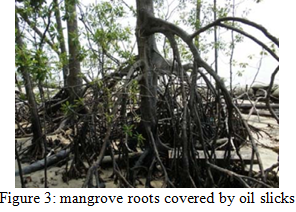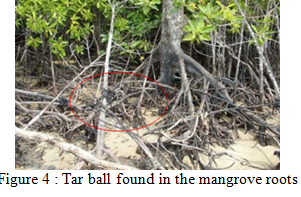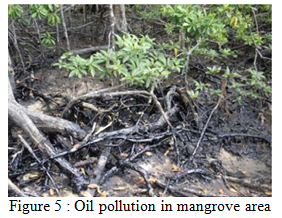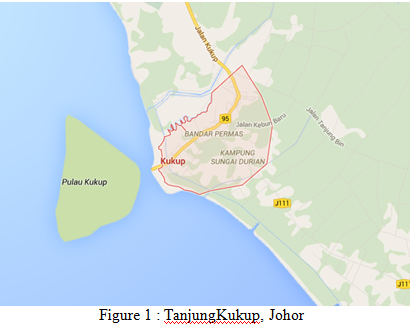
..Source of ocean pollution in Tanjung Kukup, Johor..
1.) Accidental oil.
2.) Chemical Spills
There were around 476 vessel accidents in the straits of Malacca from 1978 to 1994.The sources of marine pollution happen in the normal course of operation of a vessel and of gas platforms or as a consequence of accidents.
- Vessel accidents are caused by :
- collision or grounding of ships
- accidental operational discharges
- accidents
- 1997 - The most recent oil spill in the Singapore Strait where a collision of Evoikos and Orap in Global which estimated 29000 tons of oil were spilled.
- Sept 1992 - tanker Nagasaki Spirit with a cargo of 40000 tons of crude oil collided with container vessel Ocean Blessing in the Malacca Strait and caught fire spilling oil into the sea. It was the potential beaching of oil on Pangkor Island and Langkawi Island.
Most of oil pollution incidents are operational discharges from normal tank operations. It usually happens during
- Deballastingoil tank and cargo
- Cleaning
- Operation of fishing boats and small vessels

..Controls of Oil Spills..
- Bio - remediation approach (entails the use of microorganisms to biodegrade/eat up the oils) :
- Sulfate reducing bacteria which are anaerobic (can survive without oxygen) can be used to clean up oil spills are they are oil consuming bacteria.
- Controlled burning :
- To clear out oil spillages but it brings about air pollution issues.

- Bio-remediation accelerator (entails using chemicals to chemically and physically bond the hydrocarbon oil molecules) :
- Cause the oil molecules to aggregate and float towards the surface of the water column.
- Undetected hydrocarbon molecules can be aggregated in this way.
- The accelerator creates a bloom of indigenous hydrocarbon consuming bacteria that bio degrade the hydrocarbon into water and carbon dioxide. Other times the oil can be separated from the water and burnt, but creates air pollution issues.

- Dispersal agents :
- Prevents the oil suspension from forming clumps or settling, thereby rapidly dispersing the oil over a large surface area from which water soluble micelles are formed and are rapidly diluted.
- Use of a centrifuge :
- Sucking up oil and water after which the oil is separated from the water and the water pumped back into the ocean.
- The separated oil is then broken down / biodegraded in special treatment plants. The downside of this approach is that some oil may be pumped back into the ocean along with the water.

- Let nature take its course :
- Remediation approach and is regarded to as natural attenuation.
B.) ...Sewage Pollution..
.jpg?timestamp=1418636583165)
- Sewage is water mixed with human or animal wastes from residences, buildings, industrial establishments or other places. This water is called wastewater and is conveyed (through a collection system) to waste water treatment facilities to be treated.
..How does sewage become pollution?
- If the wastewater does not reach the treatment facility and is not treated, the sewage may pollute waterbodies.
- Interruptions in the flow of wastewater to wastewater treatment facilities can happen for many reasons, including:
- Weather conditions (heavy rains, snow melt events, storm events)
- Blockages in the sewer system
- Insufficient system capacity
- Structural, mechanical, or electrical failures
- Collapsed or broken sewer pipes
- Vandalism
..Classes of Sewage Pollution..
- Sanitary
- washing water, food preparation wastes, laundry wastes, and other waste products of normal living
- Commercial
-Liquid-carried wastes from stores and service establishments serving the immediate community
- Industrial
-Wastes that result from an industrial process or the production or manufacture of goods
- Agricultural
-wastes water from any agricultural activities
- Surface runoff
- storm flow or overland flow
..What are the effects of sewage ?
- Disruption to the Cycle of Coral Reefs
- Depletes Oxygen Content in Water
- Failure in the Reproductive System of Sea Animals
- Effect on Food Chain